
Does Renters Insurance Cover Mold in California?
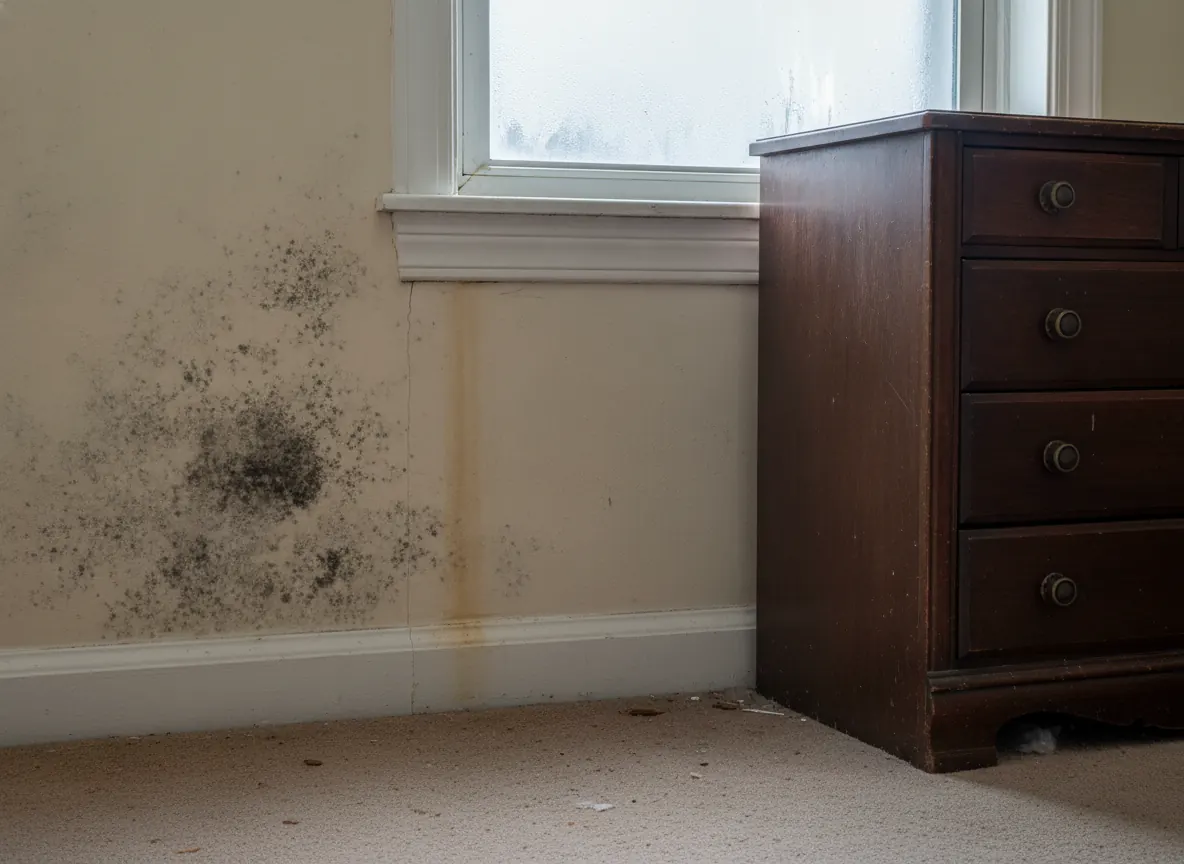
You rent in San Diego, CA, you found mold on a wall or on your things, and you are wondering whether your renters policy will help. In most cases, renters insurance is not a mold policy. It is mainly about your belongings and your liability, and California policies usually exclude mold. There are a few situations where it may still matter, and knowing them can save you a wasted claim or help you file the right one.
The short version. The California Department of Insurance (CDI) says mold, flood, earth movement and "wear and tear" are some of the perils usually excluded. Sudden and accidental water damage is typically covered; water damage from seepage or leaks is not. Fixing the unit is generally the landlord's job once the landlord has notice. Check your declarations page, and do not assume coverage either way.
What CDI's guide says
CDI's Residential Insurance Guide (revised January 2026) is the clearest plain-language source for California. A few lines matter most for renters:
- "Earthquake, flood, mold, earth movement, and 'wear and tear' are some of the perils that are usually excluded."
- Typically covered: "Sudden & accidental water damage."
- Not covered: water damage caused by seepage or leaks.
- "Insurance coverage for losses resulting from floods is generally not provided in a homeowners or renters policy."
Every policy is different. Some include limited coverage tied to a covered water loss, and the amount varies by policy. We do not quote a dollar figure because it depends on your contract. Your declarations page and the policy's exclusions and endorsements are the documents that decide it.
Three situations, three different answers
1. A pipe bursts and soaks your things
A sudden, accidental water event is the kind of loss renters policies are built for. Your damaged furniture, clothes or electronics may be covered, subject to your deductible. If mold later grows on those items because of that same event, ask your insurer how it treats the mold, and report the water damage promptly rather than waiting.
2. A slow leak or condensation causes mold over months
This is the common San Diego pattern. Mold here comes more from leaks, condensation and closed-up rooms than from rain. Coastal homes see early-morning humidity around 80% in summer (approximate, computed from NOAA 1991–2020 hourly normals), and closets on exterior walls and window sills are common spots. Seepage, leaks and long-term humidity are the kinds of causes CDI lists as not covered, so a claim for the mold itself is less likely to succeed.
3. A flood comes in from outside
Flood is generally excluded from renters policies. On January 22, 2024, Lindbergh Field recorded 2.73 inches of rain in one day (NOAA), and Chollas Creek flooded homes in Southcrest and Shelltown. Renters who want flood coverage need a separate policy. CDI notes the National Flood Insurance Program offers renters up to $100,000 for belongings; see floodsmart.gov.
Your landlord's side of it
A renters policy does not pay to fix the building. California puts the duty to repair on the landlord in many cases, and that is where most rental mold gets resolved:
- Under Health and Safety Code §17920.3(a)(13), visible mold can make a rental legally substandard once a health or code enforcement officer finds it. Minor mold on surfaces that get wet in normal use, such as a shower, is excluded.
- Under Civil Code §1941.7, the landlord has no duty to repair a mold condition until the landlord has notice of it. Report it in writing and keep a copy with photos and dates.
- Under Civil Code §1942.5, a landlord generally may not retaliate, such as by raising rent or trying to evict, within 180 days of a good-faith complaint if you are current on rent.
- Repair-and-deduct under Civil Code §1942 has strict limits, including a cap of one month's rent and use no more than twice in 12 months. Talk to a tenant-rights resource or attorney before using it.
This is not legal advice. The rental, condo and HOA mold page goes through these steps in order. If you live in privatized military housing, start with your housing office.
Steps to take now
Document
Photograph the mold, any water source and damaged belongings. Note dates.
Notify the landlord in writing
Email or a letter, with photos. Keep a copy. Notice starts the landlord's duty under §1941.7.
Limit the damage
Move belongings away from wet areas. EPA advises drying water-damaged areas and items within 24–48 hours to help prevent mold growth.
Call your insurer if belongings are damaged
Describe the cause honestly. Ask what is covered and get the answer in writing.
Keep records
Receipts for anything you replace or clean, and notes from every call.
Health questions
CDC says that for some people, mold can cause a stuffy nose, sore throat, coughing or wheezing, burning eyes, or skin rash, and that people with asthma or mold allergies may have severe reactions. California never adopted mold exposure limits: the state health department concluded in 2005 that science-based limits could not be set. So there is no legal "safe level" to test against. CDC does not recommend mold testing to decide whether to remove mold. If you have health concerns, talk to a doctor.
Where quotes fit in
Most of the time, the landlord arranges the work. Landlords and property managers can use San Diego Mold Experts to get quotes from independent mold companies in San Diego County. California does not license mold inspection or remediation as its own trade, so checking credentials is up to you. The CSLB license classifications include no mold class. For repair work of $1,000 or more, check the contractor's CSLB license. For who pays in other situations, see Who pays for mold remediation?
Common questions
Does renters insurance cover mold in California?
Usually not for the mold itself. The California Department of Insurance lists mold among the perils usually excluded. Damage to your belongings from sudden and accidental water may be covered, depending on your policy. Read your policy and check your declarations page.
Who pays to remove mold in a rental in California?
Repairs to the unit are generally the landlord's to handle once the landlord has notice of the mold (Civil Code §1941.7), unless the tenant caused the condition. Your renters policy is mainly about your belongings and liability. This is not legal advice.
Does renters insurance cover flood damage?
Generally not. CDI says flood losses are generally not covered by a homeowners or renters policy. Renters can buy contents coverage through the National Flood Insurance Program, up to $100,000 for belongings.
Will renters insurance pay if my things are ruined by mold?
It depends on the cause. If the mold followed a sudden, covered water event, your insurer may treat damaged belongings as part of that claim. If it came from a slow leak, seepage or long-term humidity, coverage is less likely. Ask your insurer and get the answer in writing.
San Diego Mold Experts is a free quote service, not a mold company. You describe the problem once, and independent mold inspection and remediation companies serving San Diego, CA and nearby San Diego County towns may reply with quotes. Companies may pay to receive requests or calls, and they reply on their own schedules. Request free quotes or call (619) 489-9035.